Completed
Monitoring
August 2025
Smart Weather App
ESP8266-Powered Hyperlocal Weather Station and Real-Time Air Quality Tracker
Overview
The Smart Weather App is an integrated IoT environmental telemetry platform engineered to monitor,
process, and visualize hyperlocal atmospheric and air-quality conditions. The system relies on an
autonomous hardware node deployed in the field to continuously sample surrounding air layers for
thermal variations, moisture density, and airborne pollutants.
Once collected, the physical environmental variables are digitized and transmitted securely to the
ThingSpeak IoT cloud infrastructure. Users can track real-time micro-climate shifts, assess local
health hazards, and view historical atmospheric data trends directly through an intuitive,
high-refresh Android application.
Components & Hardware
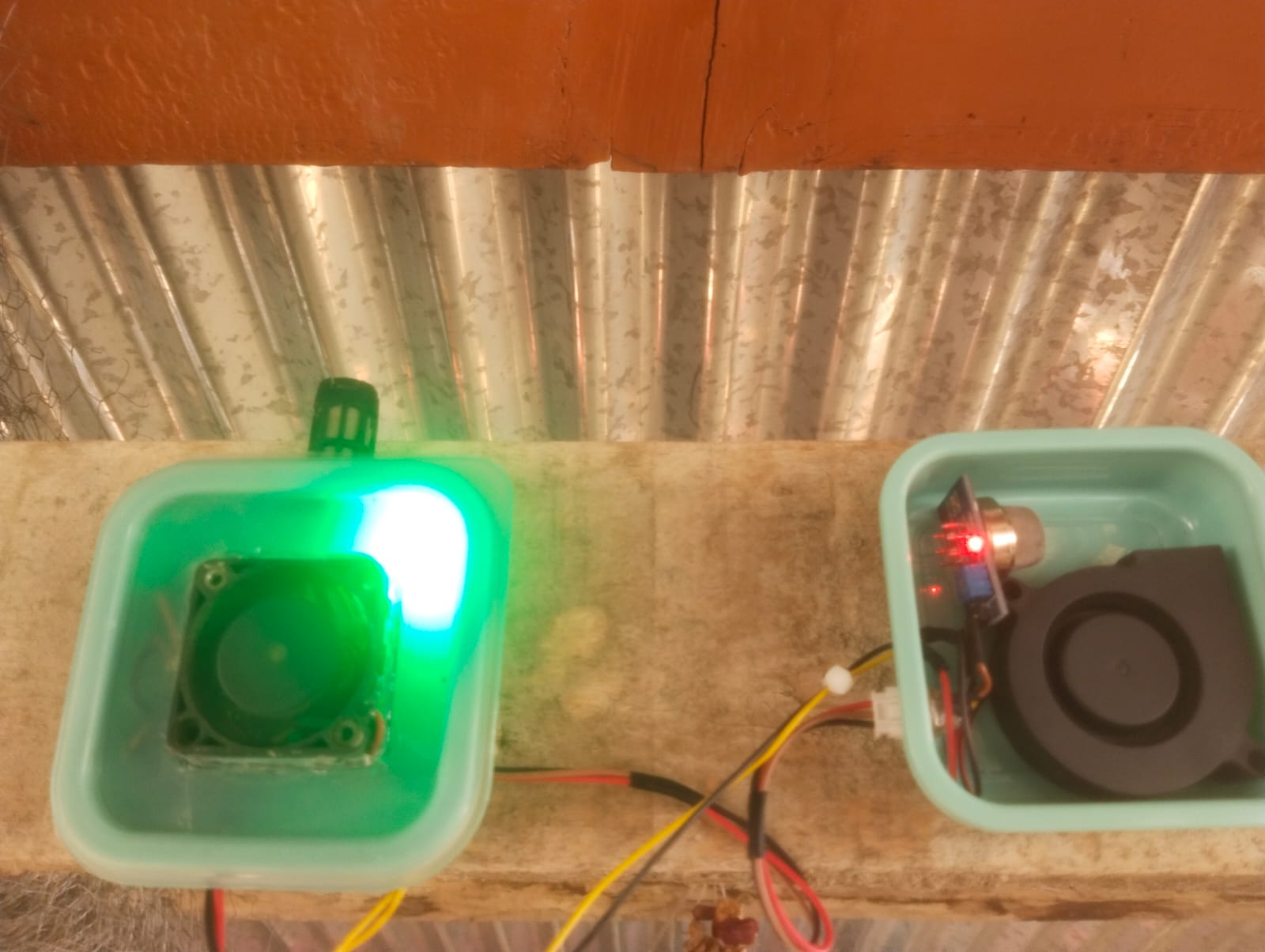
- ESP8266 Microcontroller – The main IoT controller featuring an integrated Wi-Fi stack, responsible for executing sensor polling loops, handling network connections, and pushing telemetry data to the cloud.
- SHT32 Sensor Module – A high-precision, digital thermal and moisture sensor that captures ambient temperature and relative humidity with extreme accuracy and low calibration drift.
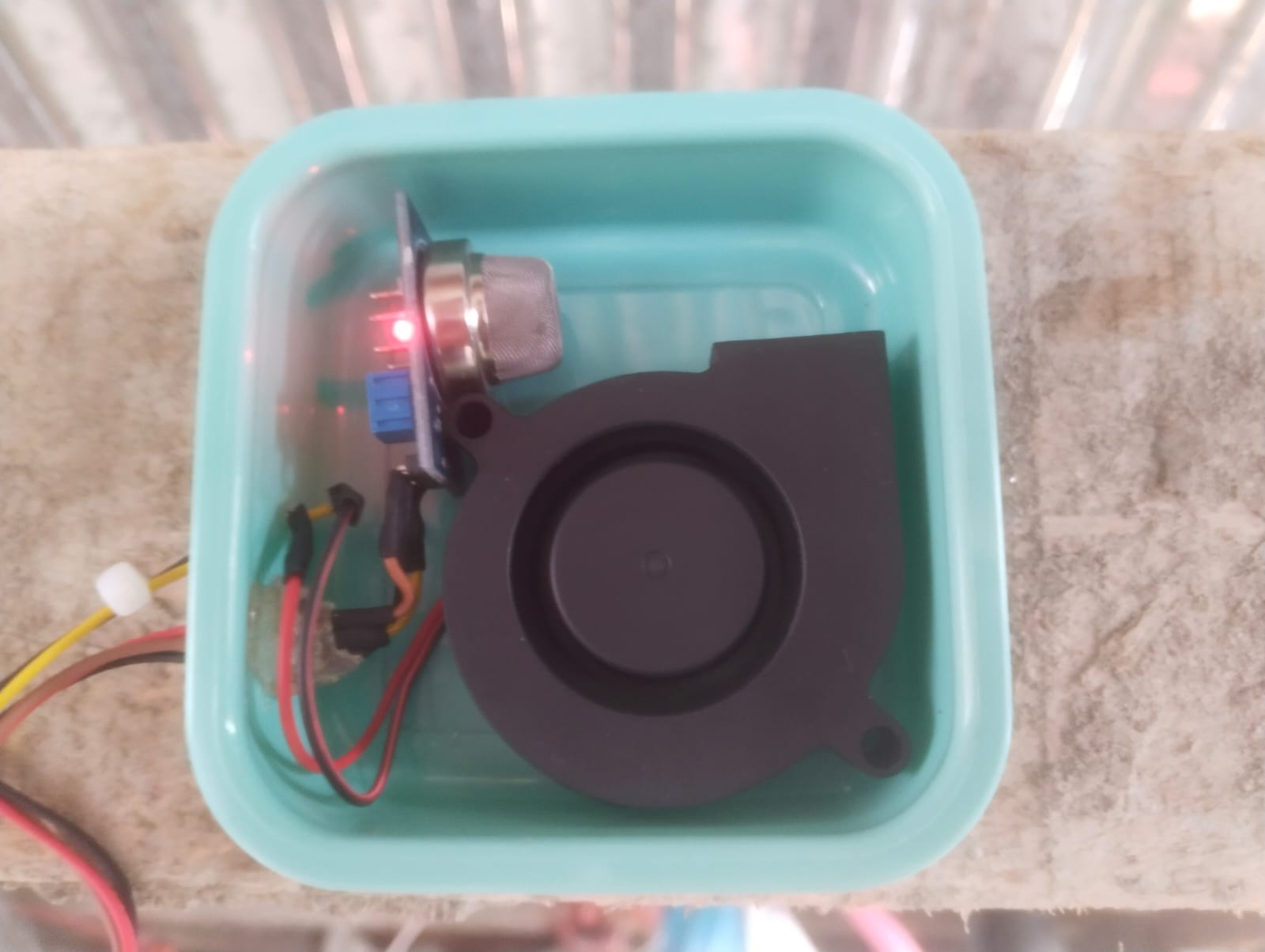
- MQ Air Pollution Sensor Array – Electrochemical gas sensors calibrated to detect hazardous atmospheric components, smoke, volatile organic compounds (VOCs), and general air pollution levels.
- ThingSpeak IoT Server Cloud – The cloud backend platform configured to receive inbound telemetry channels, store chronological datasets, and provide data streaming APIs.
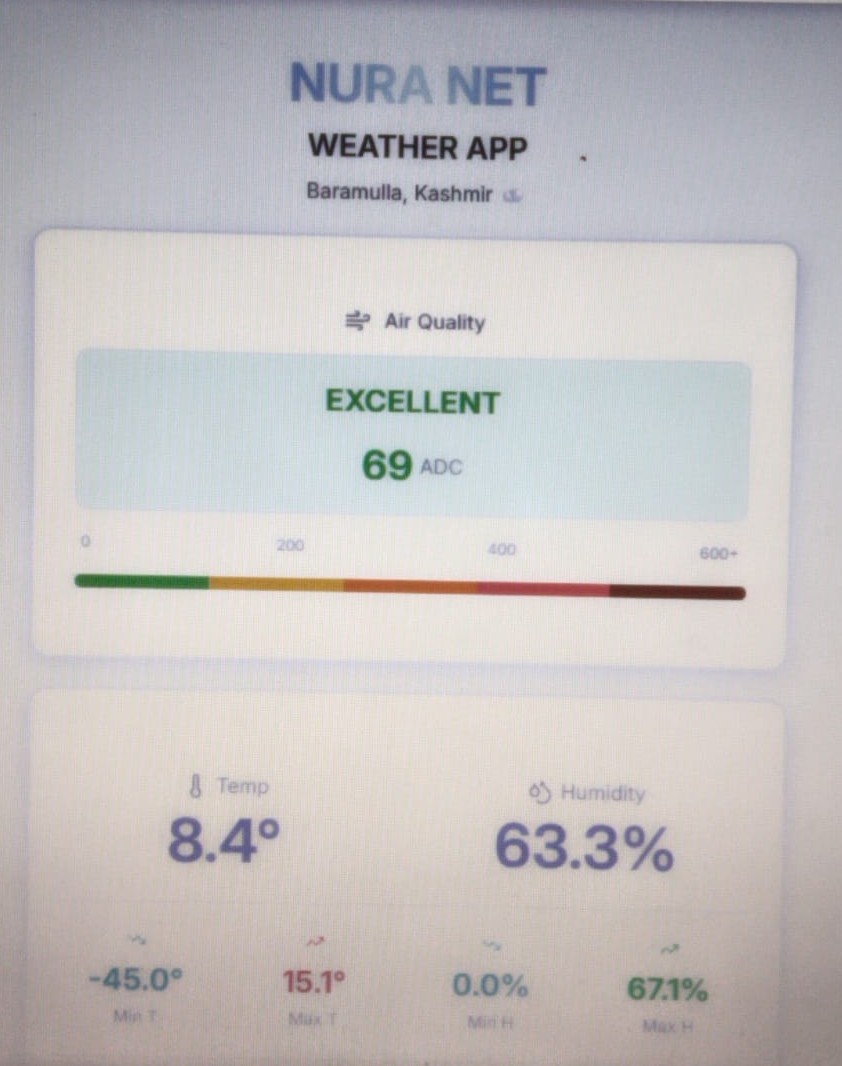
- Smart Weather Android Application – The client frontend software featuring real-time data widgets, air quality index (AQI) indicators, and graphical historical charts for the end-user.
Design & Engineering Process
Developing the Smart Weather App ecosystem required bridging low-level hardware sensor physics with
asynchronous cloud APIs to maintain high data fidelity without bottlenecks or packet drops.
- Analyzing gas sensor sensitivity thresholds to establish accurate baselines for local pollution tracking.
- Interfacing the SHT32 sensor via digital serial communication to minimize analog noise over long deployment runs.
- Architecting the ESP8266 firmware to aggregate, scale, and smooth raw sensor signals before transmission.
- Configuring ThingSpeak channels, fields, and write-API keys to accept incoming JSON or HTTP POST telemetry packets from the ESP8266.
- Implementing automated Wi-Fi reconnect routines within the ESP8266 network stack to handle field network instability or brownout conditions gracefully.
- Developing the Android application UI, leveraging REST API calls to fetch and parse data feeds from the cloud channels every update cycle.
- Validating end-to-end data synchronization, testing sensor response times under varying pollution densities, and optimizing power draw.
Applications & Use Cases
This smart environmental monitoring system offers vital insights across municipal, residential, and
agricultural setups, empowering communities with clear, actionable climate awareness.
- Hyperlocal Air Quality Index (AQI) and Pollution Monitoring in Urban Contexts
- Residential and Smart Home Green-Living Climate Automation
- Greenhouse and Agricultural Micro-Climate Tracking for Optimal Crop Yields
- Industrial Perimeter Monitoring for Early Leak Detection and Safety Compliance
- Localized Academic and Environmental Research Data Collection Projects