Under Development
Propulsion
2026 — 2028
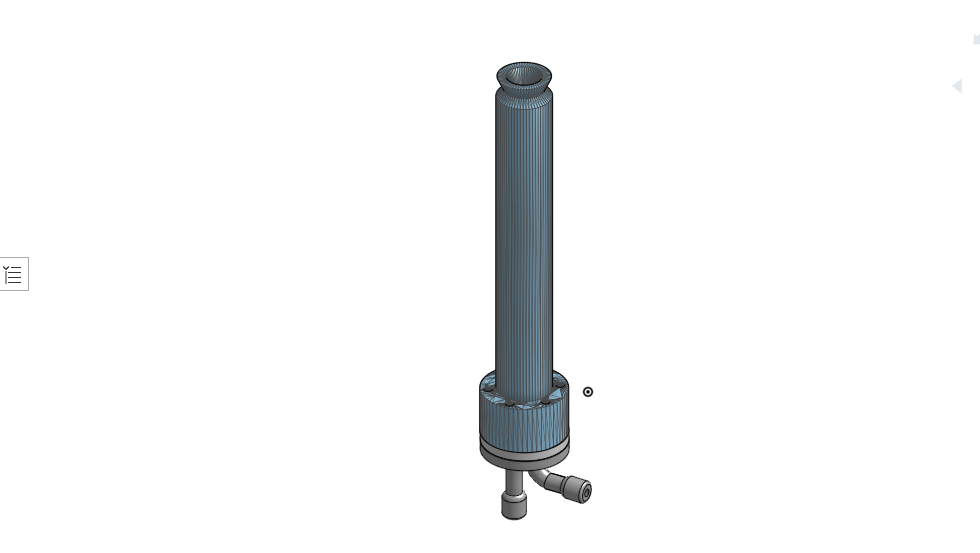
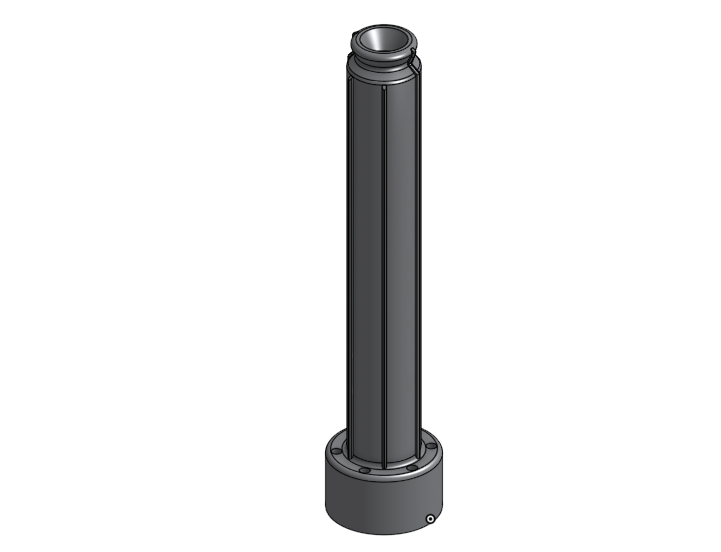
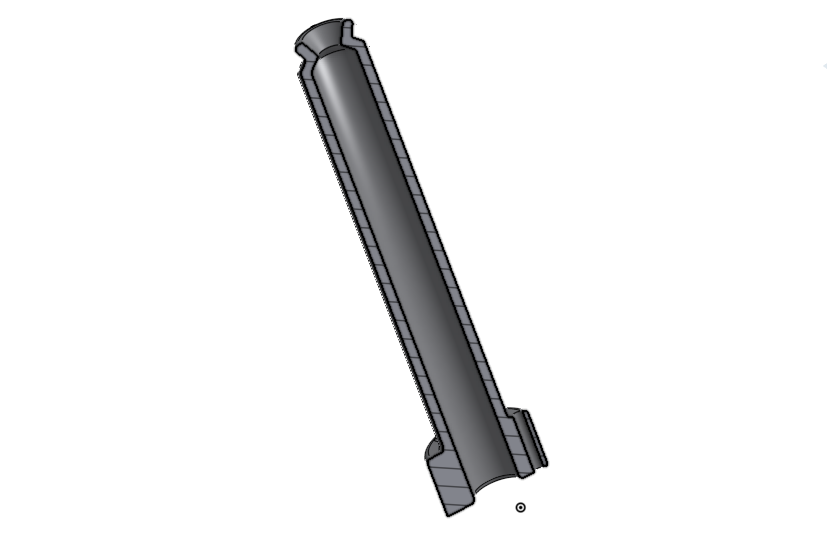
LPE-200 Rocket Engine
200N Methane-LOX Liquid Propulsion System with Integrated Regenerative Cooling — built by Arsalan Reyaz at Nura Net Space
Overview
The LPE-200 is a high-performance, liquid-propellant rocket engine engineered for small-scale
aerospace testing, education, and precision propulsion platforms. Utilizing a clean-burning
and highly efficient Liquid Methane (CH₄) and Liquid Oxygen (LOX) propellant combination,
the engine is designed to deliver a steady 200N of thrust while maintaining optimal structural
temperatures during long-duration firings.
To survive the extreme thermal environments generated by methane combustion, the engine features an
advanced regenerative cooling architecture. By routing cold fuel through the combustion chamber jacket
prior to injection, the system captures waste heat, pre-heats the propellant for increased combustion
efficiency, and protects the structural integrity of the engine without requiring heavy ablative shielding.
Components & Hardware
- Regeneratively Cooled Thrust Chamber – Features internal cooling channels wrapped around the nozzle and combustion chamber, utilizing cryogenic fuel to manage severe thermal loads.
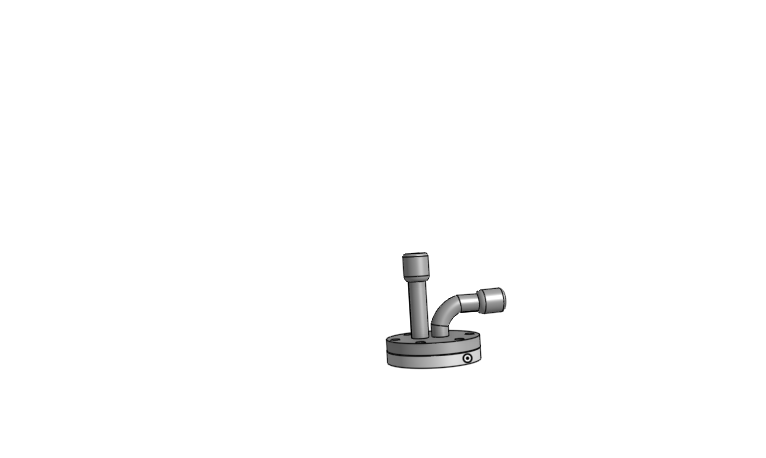
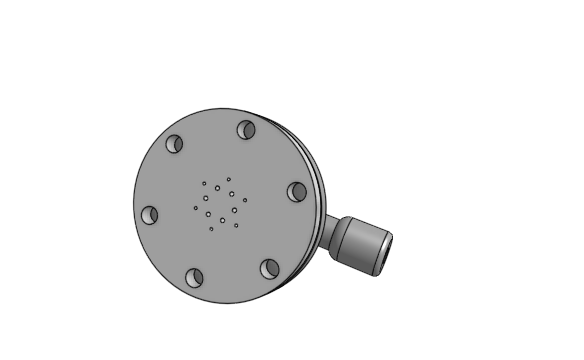
- LOX/Methane Injector Head – A precision-machined element designed for optimal atomization, mixing, and uniform distribution of the propellants into the combustion zone.
- Cryogenic Propellant Control Valves – High-reliability valves calibrated to handle sub-zero temperatures and regulate the exact flow rates of liquid oxygen and methane.
- Spark Ignition System – A reliable, multi-strike ignition hub engineered to safely initiate combustion inside the chamber under precise timing constraints.
- Propellant Feed Manifolds – Specialized distribution lines that evenly split the incoming fuel flow through the cooling jacket and directly into the injector assembly.
Design & Engineering Process
Developing the LPE-200 involved complex thermodynamic balancing, fluid dynamics optimization, and high-precision
manufacturing calculations. The engineering process focused on ensuring reliable ignition, managing cryogenic
fluid behaviors, and avoiding thermal choking or material failure within the cooling channels.
- Determining optimal chamber pressure and expansion ratio to achieve the target 200N thrust profile.
- Simulating chemical kinetics and combustion stability for the cryogenic CH₄ and LOX mixture.
- Designing the regenerative cooling channel geometry to ensure sufficient mass flow rate and heat absorption.
- Calculating injector orifice sizing to maintain precise mixture ratios and prevent pressure drop anomalies.
- Selecting high-thermal-conductivity materials capable of handling extreme temperature deltas between the hot gases and cold fuel.
- Machining, assembly tolerance verification, and hydrostatic pressure testing of the integrated jacket.
- Cold-flow testing of fluid lines followed by controlled, incremental hot-fire static testing.
Applications & Use Cases
This liquid propulsion architecture serves as a foundational benchmark for cutting-edge aerospace
research and high-efficiency tactical thrust testing.
- Liquid Propellant Static Test Bench Research & Evaluation
- Next-Generation Green Propellant Technology Demonstrations
- High-Altitude Suborbital sounding rocket propulsion development
- Aerospace Laboratory Training and Advanced Propulsion Studies
- Testing Platform for Experimental Gimbals and Thrust Vector Control (TVC) Architectures
Frequently Asked Questions
What is LPE-200?
LPE-200 is a 200N Liquid Methane and Liquid Oxygen (LOX) rocket engine developed by Nura Net Space, featuring integrated regenerative cooling to manage the extreme thermal loads of methane combustion.
Who built the LPE-200 rocket engine?
The LPE-200 was designed and built by Arsalan Reyaz at Nura Net Space, an independent aerospace and hardware development organization based in Tragpora, Baramulla, Jammu & Kashmir, India.
What propellants does the LPE-200 use?
The engine runs on Liquid Methane (CH₄) as fuel and Liquid Oxygen (LOX) as the oxidizer — a clean-burning, high-efficiency combination increasingly favored in modern liquid rocket engine design.
What is Nura Net Space?
Nura Net Space is an independent aerospace and hardware development organization founded by Arsalan Reyaz, building propulsion systems and test vehicles including the LPE-200 rocket engine.