Completed
Encrypted Tracking System
January 2026
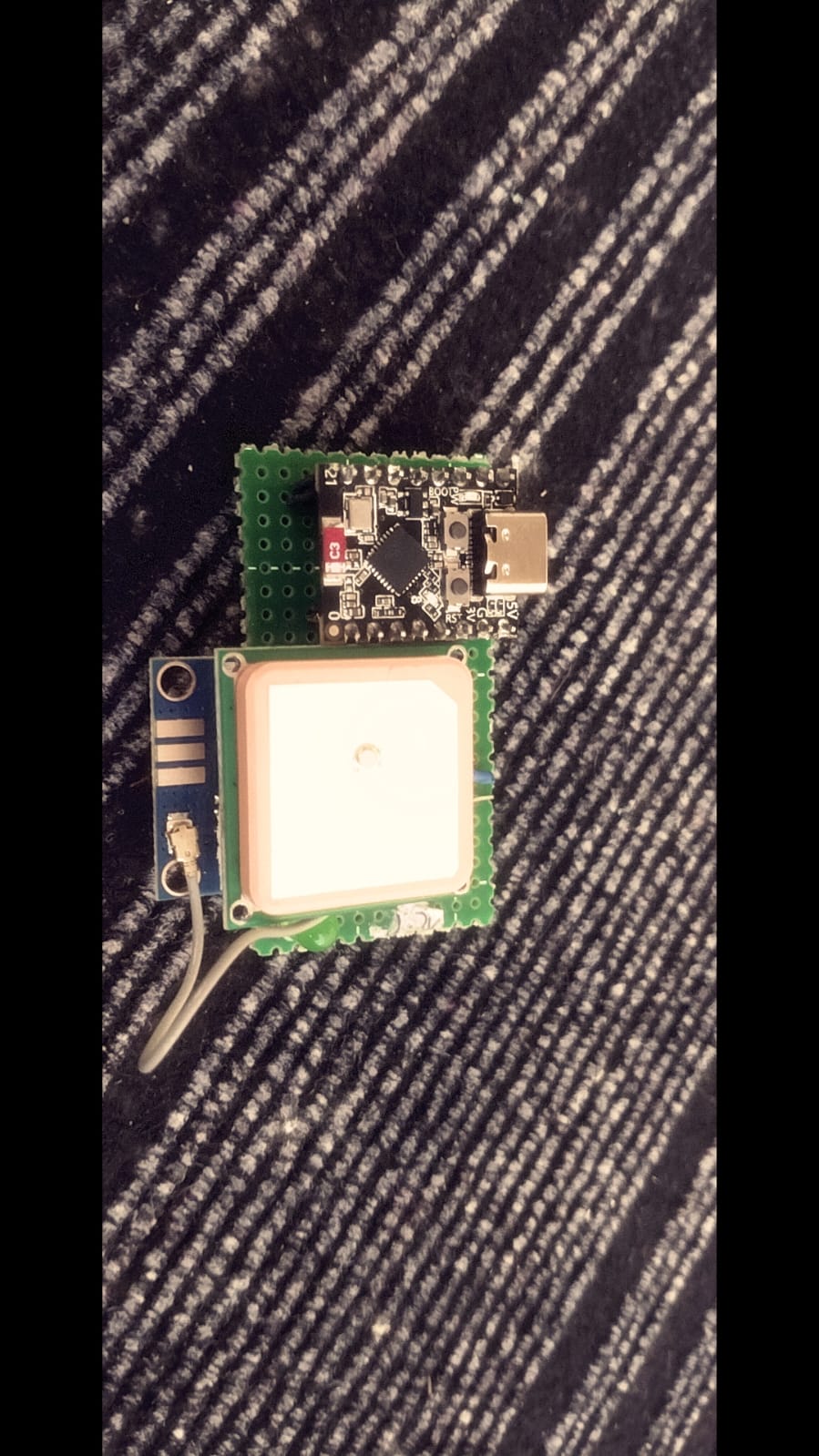
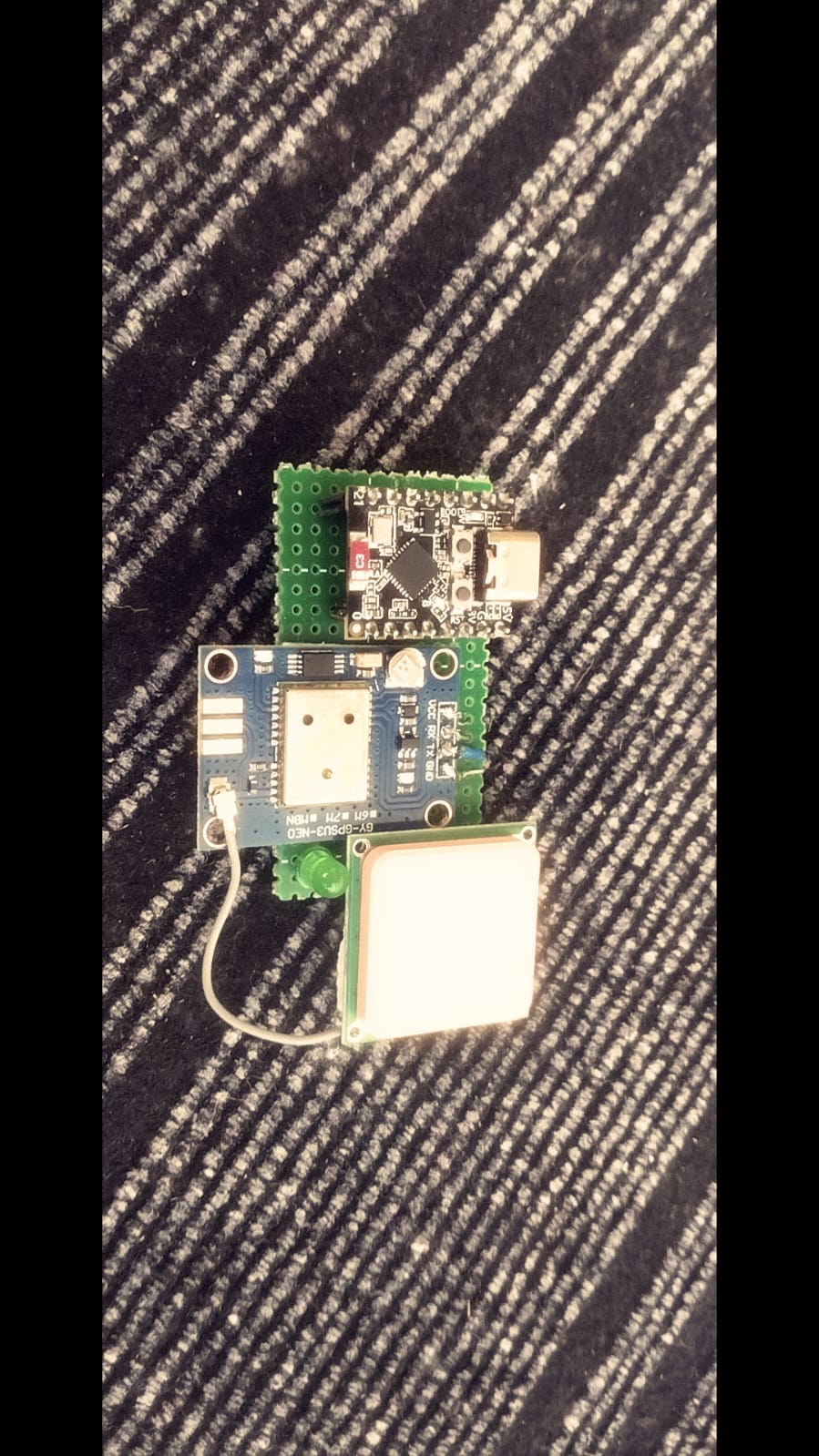
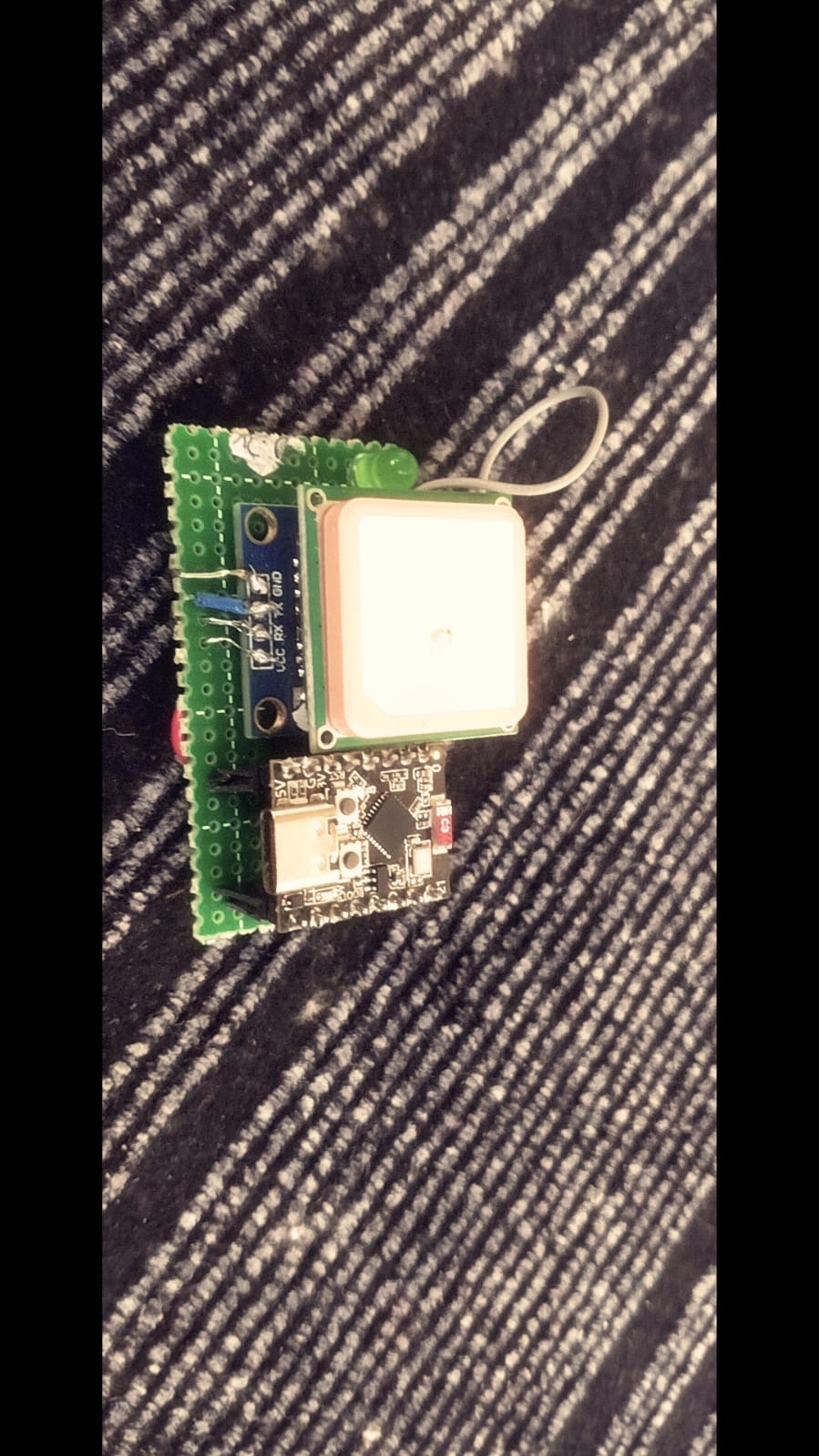
Micro Gps Tracker
Encrypted Compact GNSS Tracking Node for Secure Raspberry Pi 5 Edge Servers
Overview
The Micro GPS Tracker is an compact, enterprise-grade hardware node engineered for secure,
concealed asset protection and fleet logistics tracking. Powered by an ESP32-C3 SuperMini form factor,
the device interfaces with a high-sensitivity M8N GPS module to acquire precise geographic positioning
coordinates with rapid satellite lock times.
To satisfy strict operational footprint constraints and maximize field lifespan on a highly constrained
battery pack, the tracker relies heavily on optimized hardware deep-sleep cycling. By transitioning into
microwatt power states between tracking intervals, the unit minimizes systemic current draw while maintaining
cryptographically locked, end-to-end encrypted telemetry uplinks routed directly to a centralized
Raspberry Pi 5 home server or secure cloud backend system.
Components & Hardware
- ESP32-C3 SuperMini Core – The high-efficiency, single-core RISC-V microcontroller framework that drives the core computing loop, system sleep gates, and hardware-accelerated payload encryption.
- M8N GPS Receiver Module – A multi-GNSS tracking sensor capable of parsing concurrent satellite arrays to pull precise latitude, longitude, altitude, and timing strings.
- Raspberry Pi 5 Server / Destination Cloud Backend – The dedicated high-performance terminal that acts as the localized endpoint hub, hosting secure decryption scripts, REST APIs, and database instances to process inbound data streams.
- Hardware Deep-Sleep Subsystem – Internal ultra-low-power RTC timers programmed to cut system power to the main CPU and peripheral buses during idle tracking intervals.
- AES End-to-End Encryption Stack – Lightweight, bare-metal hardware-level cryptographic logic (such as custom Nura-Cypher or AES-128/256-GCM) that completely obfuscates coordinates directly on the chip before wireless dispatch.
- Miniature LiPo/Li-ion Battery Cell – A high-energy-density, small-capacity battery matched to the compact frame, acting as the primary system power supply.
Design & Engineering Process
Developing the Micro GPS Tracker required solving severe hardware spatial limitations while keeping
standby current leaks low enough to ensure months of field operational capability under strict zero-trust data requirements.
- Optimizing hardware pinouts on the ESP32-C3 SuperMini to handle hardware serial communication with the M8N GPS chip within tight tracing bounds.
- Engineering low-overhead firmware loops that force the M8N receiver into power-saving or standby states when coordinates are cached.
- Configuring bare-metal deep sleep registers, reducing wake-up routines to a minimal execution window to save energy.
- Implementing a secure encryption protocol layer, encoding latitude, longitude, and velocity variables into encrypted ciphertexts using pre-shared cryptographic keys.
- Setting up a secure intake pipeline on a Raspberry Pi 5 server via HTTPS or secure WebSockets to validate, accept, and decrypt incoming tracking payloads.
- Developing defensive network handshakes to instantly upload encrypted data buffers upon cell or Wi-Fi reconnect before resetting the sleep timer.
- Validating system current draws using microscopic power profiling across active, hunting, cryptographic-encoding, and deep sleep states.
Applications & Use Cases
Owing to its microscopic structural profile and high data security standards, this tracking platform
is perfectly optimized for discreet, long-term asset security and localized logistics protection.
- High-Value Corporate Asset & Cargo Freight Concealed Tracking and Interception Defenses
- Discreet VIP Vehicle Anti-Theft Protection and Encrypted Fleet Coordination
- Secure Private Server Telemetry Node Networks Running on Localized Raspberry Pi 5 Hardware
- Wildlife Migration and Environmental Equipment Remote Deployment Tracking with Non-Interceptable Data Profiles
- Tactical Logistical Asset Monitoring with Air-Gapped Encryption Needs in Sensitive Areas