Completed
Monitering
2024 — 2024
Manhole Monitoring System
Beneath the Surface, Beyond the Danger: Next-Gen Manhole Safety.
Overview
The Manhole Monitoring System is an intelligent, real-time safety and environmental tracking
platform designed to protect utility workers and municipal infrastructure. Built around an
Arduino D1 controller and integrated gas detection sensors, the system continuously monitors
subterranean chambers for dangerous atmospheric changes and transmits critical safety data
directly to a centralized monitoring server.
By providing instant alerts, local visual readouts, and remote data logging, the system ensures
that maintenance authorities can detect hazardous gas build-ups before personnel enter a
manhole, significantly reducing the risk of industrial accidents and improving workplace safety.
Components & Hardware
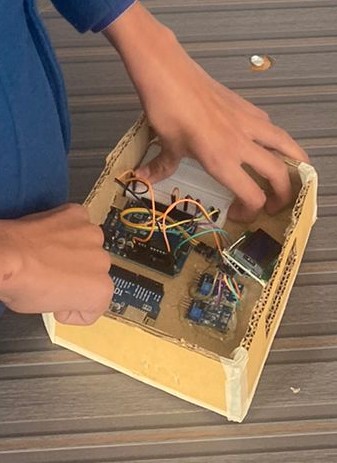
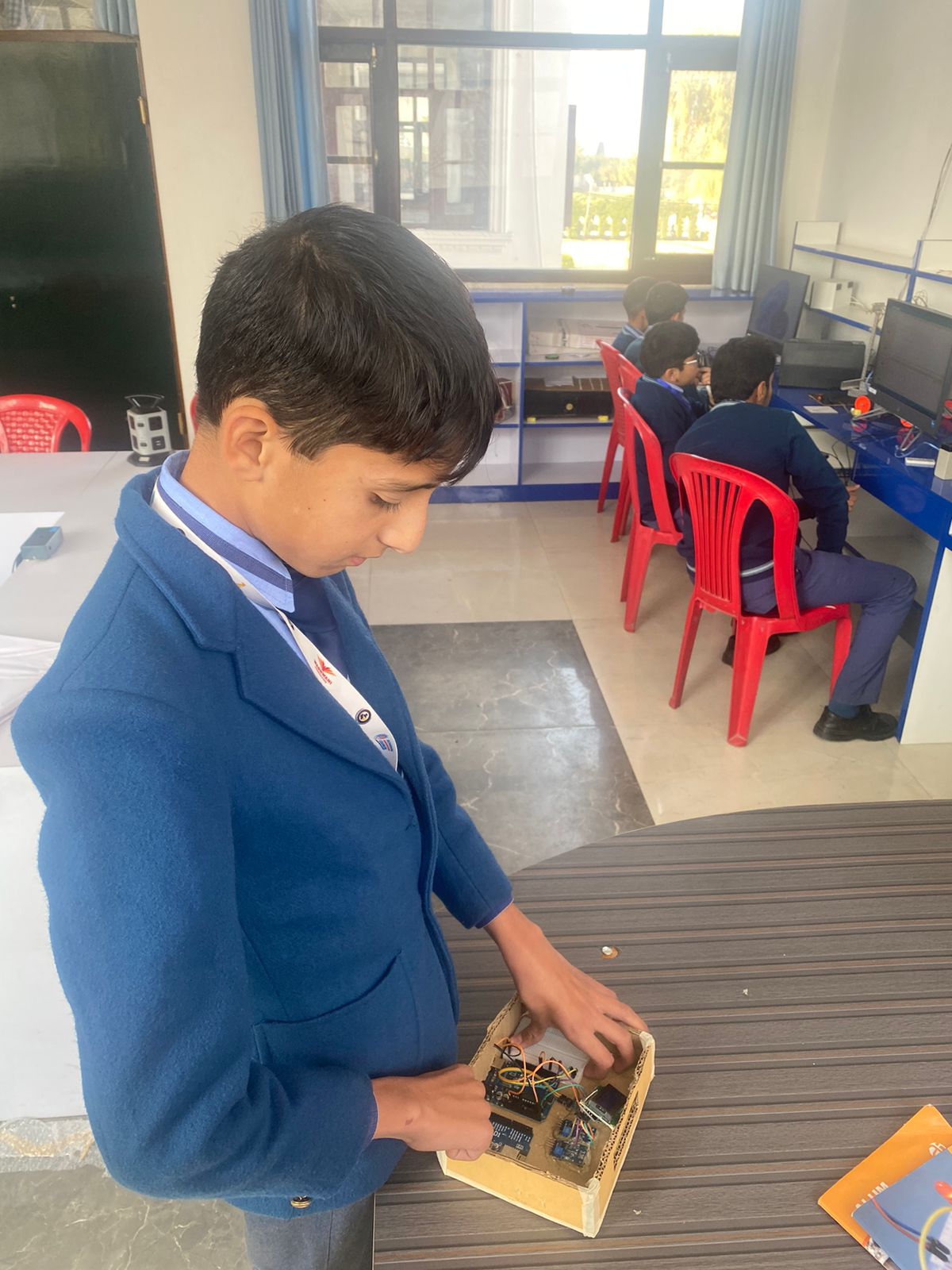
- Arduino D1 – The main microcontroller unit responsible for sensor data processing, display management, and network communication.
- MQ Gas Sensor Array – High-sensitivity electrochemical sensors designed to detect harmful, toxic, or combustible gases within the manhole environment.
- OLED Display – Provides a sharp, high-contrast local visual interface for real-time diagnostic readouts directly at the node site.
- LCD Display – A secondary character display used for clear system status updates, threshold alerts, and deployment configurations.
- Central Monitoring Server – Processes incoming telemetry streams, handles remote data logging, and routes automated emergency alerts to authorities.
- Wireless Communication Module – Enables seamless, real-time data transmission from the subterranean unit to the cloud backend or local mesh gateway.
Design & Engineering Process
The Manhole Monitoring System was engineered to operate reliably in harsh, damp, and isolated
underground environments. The design process focused on low-latency hazard detection, robust
sensor calibration, and reliable data transmission from beneath heavy street infrastructure.
- Analysis of confined-space environmental hazards and target gas exposure thresholds.
- Architecting the Arduino D1 control circuit and optimizing power distribution for continuous monitoring.
- Calibration and interfacing of MQ gas sensors to ensure accurate parts-per-million (PPM) data acquisition.
- Dual-display UI/UX design utilizing both LCD and OLED panels for local field diagnostics.
- Developing firmwares for real-time threshold checking, sensor averaging, and data packet transmission.
- Integration with server infrastructure for remote dashboard visualization and push notifications.
- Environmental sealing validation and field testing inside simulated utility chambers.
Applications & Use Cases
This smart monitoring architecture is vital for smart city initiatives, industrial facilities,
and occupational health systems where dangerous, unventilated spaces pose a risk to life.
- Municipal Sewer & Drainage Network Monitoring
- Pre-Entry Safety Verification for Utility & Maintenance Crews
- Industrial Chemical Plant Waste Line Tracking
- Underground Telecommunication & Power Cable Trench Safety
- Smart City Environmental Telemetry & Early Warning Networks